You'll find that calibration isn't almost checking if your equipment functions-- it's about guaranteeing every measurement you make can be relied on. The majority of professionals assume they comprehend the process, but they're missing out on essential actions that can revoke their results. Whether you're collaborating with precision instruments in a lab or industrial equipment on a factory floor, the distinction between correct calibration and guesswork figures out whether your data holds up under scrutiny. The stakes are greater than you https://maps.app.goo.gl/daGtUe1aE183LkRD8 realize.Pre-Calibration Planning
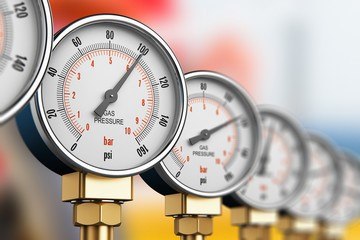
and Equipment Evaluation Before your equipment also gets in the calibration lab, technicians have to extensively examine its present condition and calibration requirements. This pre-calibration planning guarantees your calibration services satisfy certain accuracy standards and measurement needs.During equipment assessment, technicians analyze your device's documentation , previous calibration documents, and existing performance metrics. They'll recognize which standards and testing treatments are required to develop proper traceability. This analysis figures out the appropriate measurement varieties, ecological problems, and reference standards needed for your equipment.The analysis also reveals potential concerns that could affect calibration outcomes. Technicians look for damage, wear, or drift that may compromise accuracy.They'll confirm your equipment's specifications versus offered calibration abilities, ensuring reliable results that fulfill your quality requirements and governing compliance needs.Environmental Problems and Arrangement Requirements When your equipment goes into the calibration lab, technicians have to establish precise ecological conditions that straight impact measurement accuracy. Temperature, moisture, and resonance levels have to satisfy rigorous specifications detailed in ISO IEC accredited calibration procedures.You'll find that arrangement requirements differ relying on your instruments' level of sensitivity and the standards being utilized for comparison.Environmental conditions aren't just recommendations-- they're important factors that impact precision throughout the whole process. Calibration services maintain controlled ambiences where temperature changes remain within tenths of degrees, and humidity stays stable.Your measurement results rely on these conditions due to the fact that also minor variations can present errors that jeopardize accuracy.Proper arrangement requirements guarantee that both your instruments and recommendation standards run within their defined parameters, keeping the honesty important for reliable metrology results.Standard Recommendation Choice and Measurement Comparison After ecological conditions are developed, technicians select reference standards that possess accuracy degrees dramatically higher than your equipment under test. This standard referral option develops the structure of reliable calibration services.The laboratory utilizes traceable standards that preserve straight links to nationwide measurement institutes, ensuring your test equipment receives accurate measurements.During measurement contrast, technicians systematically examine your instrument's readings versus these reference standards across several measurement points. This ISO approved calibration procedure discloses any variances in between your equipment's output and the known referral values.Quality assurance methods call for recording these contrasts meticulously, creating an extensive document of your instrument's performance. The measurement comparison data figures out whether your equipment fulfills defined resistances or needs adjustments to recover optimal accuracy.Adjustment Treatments and Inconsistency Adjustments When measurement contrasts expose inconsistencies beyond acceptable resistances, technicians carry out precise change treatments to recover your instrument's accuracy. These calibration modifications include organized steps that align your equipment's readings with traceable referral standards.During change treatments, technicians make physical or electronic adjustments to eliminate measurement mistakes. They'll adjust internal components, alter sensing units, or customize software application parameters to achieve compliance with requirements. Each inconsistency improvement is documented, developing a comprehensive document of changes made to your instrument.Professional calibration services guarantee these changes keep measurement honesty while protecting your instrument's performance. Technicians confirm that corrections don't introduce brand-new mistakes by carrying out follow-up measurements.This precise approach guarantees your instrument supplies accurate, reliable outcomes that satisfy sector standards and regulatory requirements.Verification Testing and Documentation Method Complying with successful change procedures, your instrument undergoes comprehensive verification testing to confirm it fulfills all specified performance criteria.This essential stage includes running several test cycles using certified referral standards to confirm your equipment's accuracy across its entire operating range.The testing method records every measurement factor, contrasting real analyses versus known recommendation values. Your calibration companies records all data systematically, creating a traceable document of performance confirmation. This documentation becomes part of your instrument's permanent calibration history.During confirmation, technicians examine repeatability, linearity, and drift characteristics. If your equipment passes all examinations, it obtains qualification verifying compliance with suitable standards.This extensive procedure ensures your instrument supplies reliable, accurate measurements vital for quality control and governing conformity in your operations.Conclusion You have actually currently mastered the vital steps that'll guarantee your calibration process supplies reliable results.
By following appropriate planning, preserving regulated environments, picking suitable standards, making essential changes, and documenting everything thoroughly, you're
ensuring measurement accuracy and compliance. Do not skip any phase-- each step builds upon the previous one to create a robust calibration framework. Your focus to information throughout
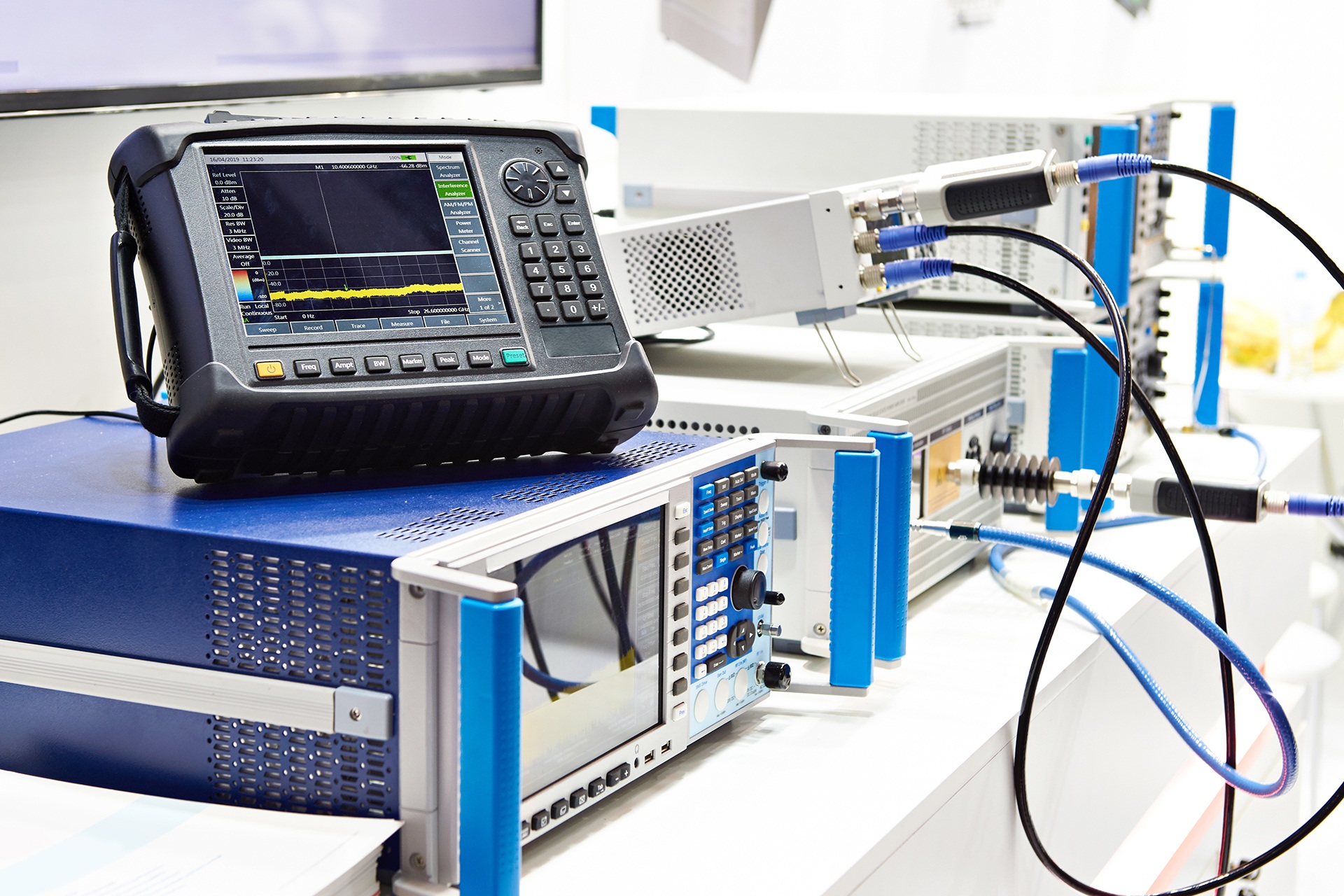
this process directly impacts the honesty of your measurements and equipment efficiency.