You'll discover that calibration isn't just about inspecting if your equipment functions-- it's about guaranteeing every measurement you make can be relied on. The majority of specialists believe they understand the procedure, however they're missing out on critical steps that could revoke their results. Whether you're https://franciscopgix029.mystrikingly.com/ working with precision instruments in a lab or industrial equipment on a factory floor, the distinction between correct calibration and guesswork figures out whether your data stands up under scrutiny. The risks are more than you realize.Pre-Calibration Preparation
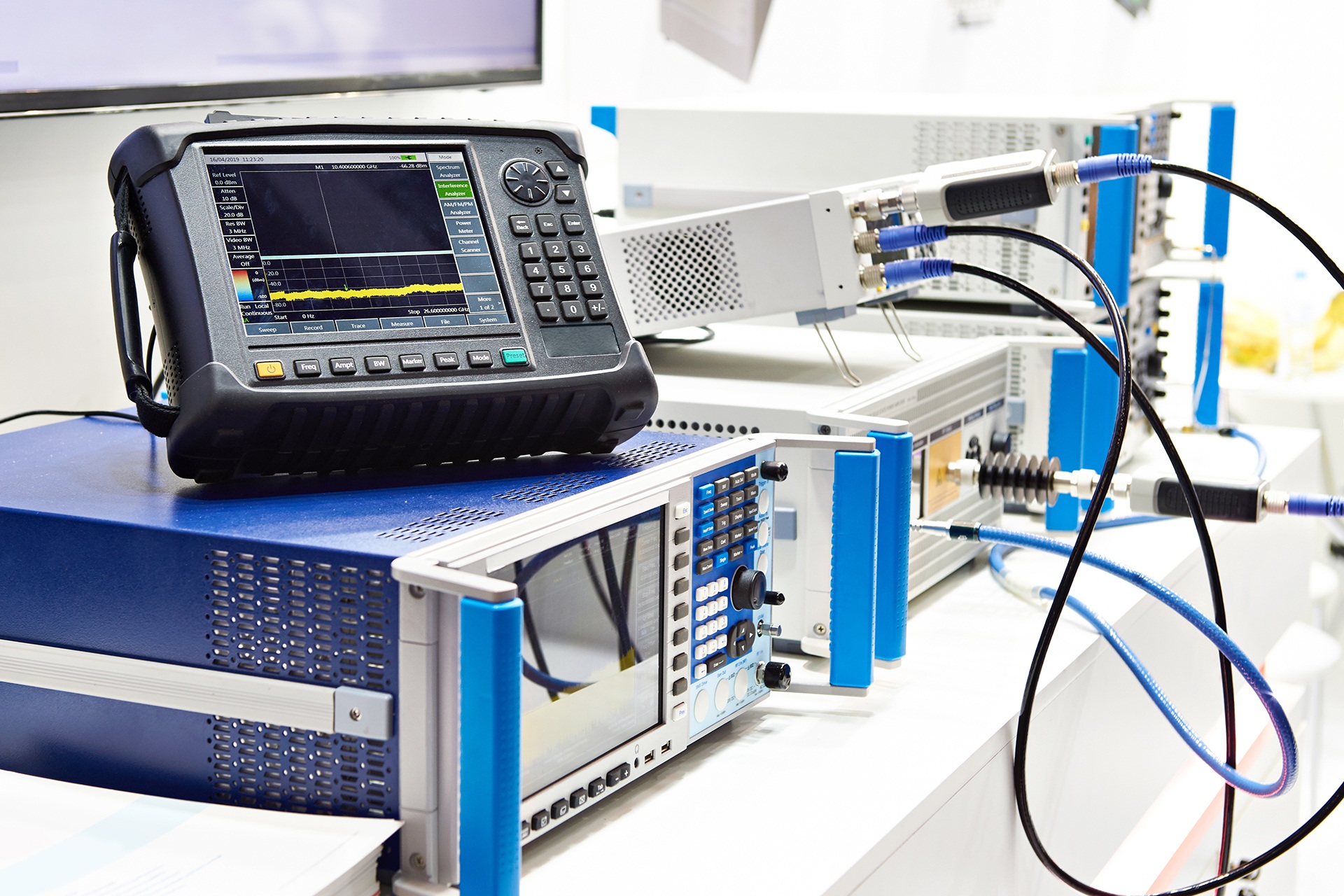
and Equipment Analysis Before your equipment also gets in the calibration lab, technicians must extensively evaluate its present problem and calibration requirements. This pre-calibration preparation guarantees your calibration services fulfill certain accuracy standards and measurement needs.During equipment assessment, technicians analyze your tool's documentation , previous calibration records, and current performance metrics. They'll recognize which standards and testing procedures are necessary to establish proper traceability. This evaluation figures out the suitable measurement ranges, environmental conditions, and referral standards needed for your equipment.The evaluation additionally exposes prospective problems that can impact calibration outcomes. Technicians look for damage, wear, or drift that might jeopardize accuracy.They'll validate your equipment's specs against readily available calibration capabilities, making certain reliable results that satisfy your quality requirements and regulatory conformity needs.Environmental Problems and Arrangement Requirements As soon as your equipment goes into the calibration lab, technicians must establish precise environmental conditions that straight influence measurement accuracy. Temperature, humidity, and resonance levels have to satisfy rigorous requirements detailed in ISO IEC accredited calibration procedures.You'll locate that setup requirements vary depending on your instruments' sensitivity and the standards being made use of for comparison.Environmental conditions aren't simply referrals-- they're important variables that influence precision throughout the entire procedure. Calibration services keep controlled environments where temperature changes remain within tenths of degrees, and humidity remains stable.Your measurement results depend upon these problems since even minor variations can present errors that compromise accuracy.Proper setup requirements make sure that both your instruments and reference standards run within their defined criteria, keeping the stability essential for reliable metrology results.Standard Recommendation Selection and Measurement Comparison After ecological conditions are established, technicians choose recommendation standards that have accuracy degrees significantly higher than your equipment under test. This standard referral option creates the structure of reliable calibration services.The laboratory uses traceable standards that maintain direct links to national measurement institutes, ensuring your test equipment obtains accurate measurements.During measurement contrast, technicians methodically evaluate your instrument's readings versus these recommendation standards across multiple measurement points. This ISO accredited calibration procedure discloses any discrepancies between your equipment's result and the recognized reference values.Quality guarantee procedures need recording these contrasts meticulously, creating a detailed record of your instrument's performance. The measurement contrast data identifies whether your equipment fulfills defined tolerances or needs modifications to restore optimum accuracy.Adjustment Procedures and Variance Modifications When measurement contrasts reveal discrepancies beyond acceptable tolerances, technicians carry out precise modification treatments to restore your instrument's accuracy. These calibration adjustments entail organized actions that align your equipment's readings with traceable reference standards.During modification treatments, technicians make physical or electronic modifications to eliminate measurement errors. They'll adjust interior elements, alter sensors, or modify software program criteria to attain conformity with requirements. Each variance improvement is recorded, developing a comprehensive record of changes made to your instrument.Professional calibration services make sure these changes keep measurement stability while protecting your 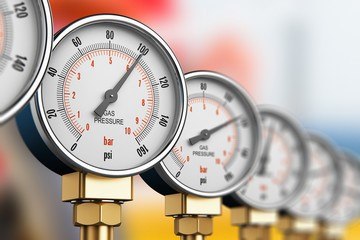 instrument's performance. Technicians verify that corrections don't introduce new mistakes by carrying out follow-up measurements.This precise strategy warranties your instrument provides accurate, reliable results that fulfill sector standards and regulative requirements.Verification Testing and Paperwork Protocol Following successful change treatments, your instrument goes through comprehensive confirmation testing to confirm it fulfills all specified performance criteria.This crucial stage includes running several test cycles utilizing certified reference standards to verify your equipment's accuracy across its whole operating range.The testing procedure documents every measurement factor, contrasting real readings versus understood referral values. Your calibration services provider documents all data methodically, producing a traceable document of performance verification. This paperwork becomes part of your instrument's long-term calibration history.During verification, technicians check repeatability, linearity, and drift features. If your equipment passes all examinations, it gets certification validating conformity with suitable standards.This rigorous procedure guarantees your instrument supplies reliable, accurate measurements crucial for quality assurance and governing compliance in your operations.Conclusion You have actually currently understood the necessary steps that'll guarantee your calibration procedure supplies reliable outcomes.
By complying with correct preparation, keeping controlled environments, choosing proper standards, making necessary modifications, and recording everything extensively, you're
guaranteeing measurement accuracy and compliance. Don't avoid any type of stage-- each action builds upon the previous one to create a robust calibration framework. Your focus to detail throughout
this process straight influences the honesty of your measurements and equipment performance.